Source Orthodontic Wax for Denture Processing, Prevention, and Care
Find 30 orthodontic wax options for denture processing, preventive care, and orthodontic use. Compare models like SD-B-042 and OW001, check CE certification, and review MOQs from 1 to 20,000 pieces for your dental supply needs; compare the available evidence and request quotations based on your requirements.
Key considerations
Products List




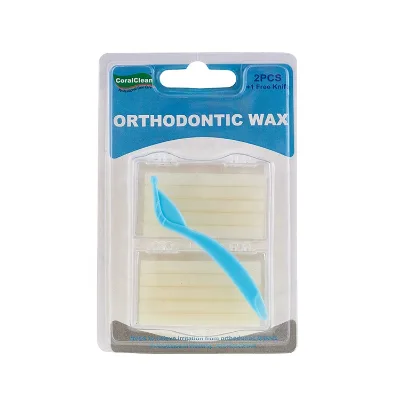


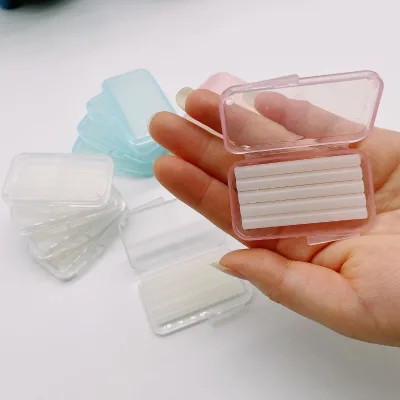
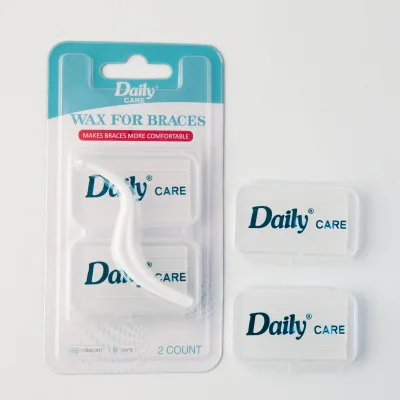

Comprehensive Sourcing Guide
Orthodontic Wax Sourcing Guide
Procurement professionals must first distinguish between specialized instrument equipment and shared instrument equipment when evaluating orthodontic wax listings. The market data indicates a split in product nature, where some items are classified as non-disposable specialized tools while others are designated as disposable materials for oral rehabilitation. This distinction fundamentally alters the procurement strategy, as non-disposable items often require different maintenance protocols and lifecycle management compared to single-use consumables intended for immediate patient application.
Buyers should also scrutinize the specific usage claims attached to each listing, as the same product category may serve multiple functions ranging from denture processing to orthodontic material application. The observed listings suggest that some products are marketed for dental preventive health care, while others focus strictly on filling or planting materials. Understanding these functional nuances is critical for aligning inventory with specific departmental needs, ensuring that the purchased wax supports the intended clinical workflow without causing operational friction or regulatory non-compliance.
Product Scope and Observed Listing Signals
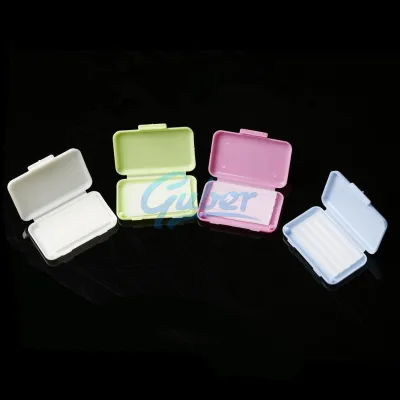
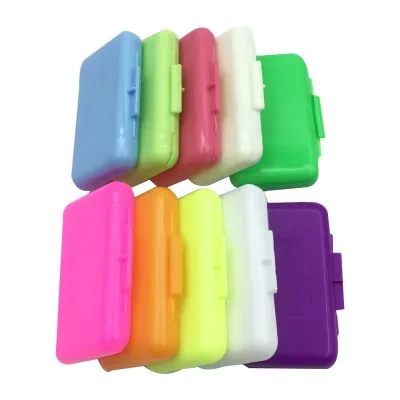
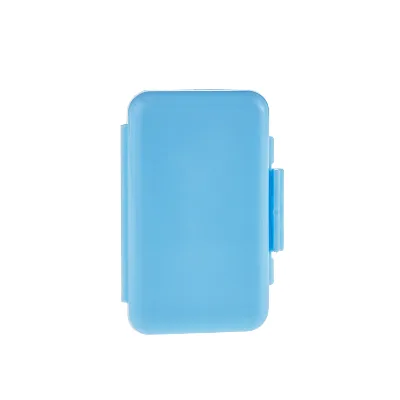
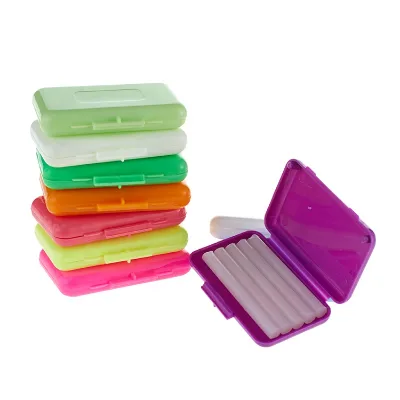
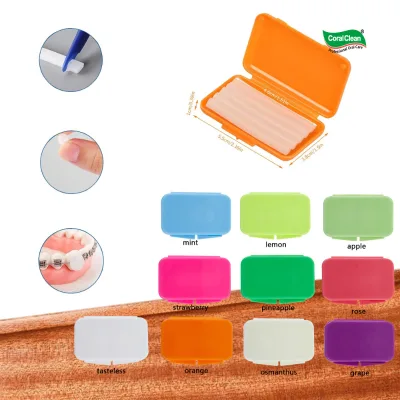
The observed product range reveals significant variability in physical attributes, including color options that span from orange and pink to watermelon red and purple, alongside flavor profiles like mint, apple, and osmanthus. These sensory characteristics are not merely aesthetic but serve functional roles in patient comfort and compliance, particularly for pediatric or sensitive populations. Sourcing teams must verify if the specific color and flavor combinations are available in bulk quantities, as the assortment of options often dictates the minimum order quantity and packaging configuration required for a successful transaction.
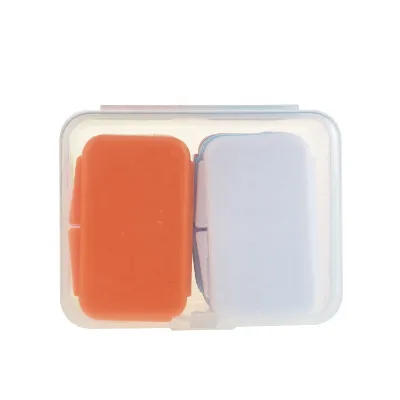
Packaging details further define the scope of available inventory, with listings showing variations from solid cartons to specific unit counts like 5 pieces per pack or 1000 pieces per carton. The packaging standard often correlates with the product model, such as the SD-B-042 or OW001, and influences logistics planning and storage requirements. Buyers need to confirm whether the packaging is designed for individual clinical use or bulk distribution, as this impacts the unit cost and the efficiency of the supply chain from the manufacturer in Tianjin or Zhejiang to the final point of care.
Technical Specifications to Verify
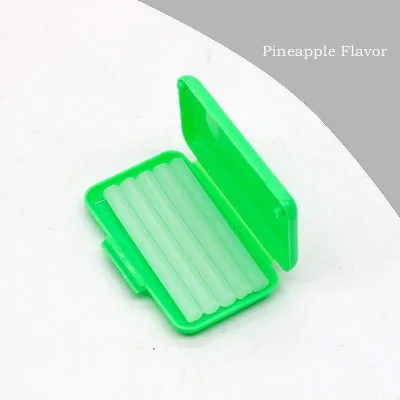
Technical verification begins with the precise weight and standard specifications, which vary notably across listings with values such as 3.7g for the wax itself and 4g for the box, or a standard weight of 7.4g for other orthodontic wax variants. These numerical specifications are critical for inventory accuracy and cost-per-unit calculations, as even minor deviations can affect the total volume required for large-scale dental procedures. Procurement teams must ensure that the ordered weight matches the clinical requirements to avoid shortages or excessive waste, particularly when dealing with high-volume orders where small percentage differences accumulate significantly.
Material composition and model numbers provide the second layer of technical verification, with products identified as "wax ortho" or "dental ortho wax" and specific models like OW001 or SD-B-042. The material is consistently identified as wax, but the specific formulation and physical properties, such as the boxed design and portability features, must be confirmed against the intended application. Buyers should request detailed material safety data sheets to ensure the wax formulation meets the necessary physical standards for orthodontic use, ensuring it adheres properly to brackets and wires without compromising the structural integrity of the dental appliance.
Compliance and Safety Documentation
Compliance verification requires a rigorous check of certification status, with CE certification appearing as a key indicator of safety and regulatory adherence in the observed market data. While the presence of CE marks is a strong signal, buyers must confirm that this certification applies specifically to the orthodontic wax product and not just the manufacturing facility or other equipment lines. The distinction is vital because medical-grade products intended for direct patient contact in the oral rehabilitation department must meet stringent safety thresholds to prevent adverse reactions or contamination during dental procedures.
Safety documentation must also address the product classification, specifically whether the item is designated as medical grade and suitable for use in the dental department. The listings indicate that some products are intended for orthodontic accessories, while others serve broader dental preventive health care needs. Procurement teams should demand proof of this classification, ensuring that the product is legally cleared for its stated use in filling, planting, or orthodontic applications, thereby mitigating liability risks and ensuring patient safety in compliance with local and international health regulations.
Cost Drivers and Commercial Terms
Cost structures are heavily influenced by the minimum order quantity, which ranges widely from 1 unit to 20,000 units, with a specific high-confidence observation of 1000 pieces as a standard threshold. This variability allows for flexible procurement strategies, but buyers must align their order volume with the supplier's MOQ to secure the most favorable unit pricing. Understanding the relationship between order size and cost is essential, as purchasing below the standard MOQ may result in significantly higher per-unit costs or the inability to fulfill the order entirely.
Lead times and delivery terms represent another critical cost driver, with observed delivery windows ranging from 3 days to 45 days depending on the specific supplier and order complexity. The variation in shipping times, such as the 7-45 day window versus the 3-day or 5-day delivery options, directly impacts inventory planning and cash flow management. Buyers must factor these lead times into their procurement schedule to avoid stockouts, especially when dealing with custom logo printing or specialized packaging requests that may extend the production and shipping timeline.
Supplier Qualification and Quality Control
Supplier qualification should prioritize those offering customization services, including the ability to print client logos and provide free samples for evaluation. The availability of customization indicates a mature supply chain capable of meeting specific branding and product specification needs, which is often a prerequisite for large-scale institutional procurement. Buyers should verify the supplier's capacity to handle custom orders without compromising the core product quality, ensuring that the added value of branding does not detract from the functional performance of the orthodontic wax.
Quality control processes must be validated through the supplier's service commitments, such as the advertised 24-hour, 365-day support availability. This level of service suggests a robust operational framework capable of addressing issues promptly, which is essential for maintaining continuous supply in critical medical environments. Procurement teams should assess the supplier's track record for consistency in product attributes like color, weight, and packaging, ensuring that every batch delivered meets the established standards and that any deviations are addressed with immediate corrective action.
Long-Term Procurement Checks
Long-term procurement strategies must account for the stability of product attributes, such as the consistent availability of specific flavors and colors like plain, mint, or assorted options. As market demands shift, suppliers must demonstrate the ability to maintain these variations without frequent discontinuation or substitution, which could disrupt clinical workflows and patient satisfaction. Buyers should establish clear communication channels to monitor inventory levels and ensure that the product range remains aligned with the evolving needs of the dental department.
Sustainability and supply chain resilience are also critical factors for long-term success, particularly given the geographic origins in Tianjin and Zhejiang, China. Buyers should evaluate the supplier's logistics capabilities to ensure reliable delivery despite potential regional disruptions or changes in shipping regulations. Establishing a partnership based on transparent communication regarding production capacity, lead times, and quality assurance will help mitigate risks and ensure a steady supply of high-quality orthodontic wax for ongoing clinical operations.
FAQs
What is orthodontic wax used for in dental practices?
Orthodontic wax is applied over brackets and wires to protect the cheeks, lips, and gums from irritation during treatment. It is also used as a dental preventive health care material and supporting orthodontic material in clinics. Wax pieces are pressed onto sharp areas of braces where they adhere temporarily, providing comfort until the patient can visit the dentist for adjustment.
Which flavors and colors are available for orthodontic wax?
Listed products offer plain, mint, apple, osmanthus, lemon, tangerine, and strawberry flavors, so buyers can select a flavor range that suits patient preferences. Color options include orange, pink, green, light green, watermelon red, purple, and assorted assortments. Availability varies by product, so confirm the exact flavor and color combinations with the supplier before ordering a customized batch.
How much does a typical orthodontic wax box weigh?
Observed product specifications include a wax weight of 3.7g with a 4g box for one model, and a 7.4g option for another. Boxed designs are small and light, making them easy to carry. Weight affects both patient usage time and packaging costs, so confirm the wax and box weights listed on each specification sheet before placing an order.
Can orthodontic wax be customized with our clinic logo?
Yes, customization is available and client logo printing is offered on listed products. Suppliers can print your clinic or brand logo on the packaging, which supports branding for distributors and dental practices. Provide your artwork when requesting a quotation, and confirm minimum order quantities, since customization usually applies alongside the listed 1000-piece MOQ on selected items.
What is the minimum order quantity for orthodontic wax?
Observed MOQ values range from 1 piece to 20000 pieces across listings, with a commonly listed MOQ of 1000 pieces per order. Some products are packed at 1000 pieces per carton, which aligns with that quantity. Free samples are offered on selected items, allowing buyers to evaluate wax quality before committing to the full minimum order quantity.
How fast can orthodontic wax orders be delivered?
Delivery times vary by listing, with observed shipping times of 7 to 45 days depending on order size and destination, while some listings state a delivery time of 3 to 5 days. Confirm current production schedules when requesting a quotation. Carton packing is standard, and free samples on selected products may ship faster than bulk production orders.
Where is orthodontic wax produced and what certifications apply?
Observed products originate from Tianjin and Zhejiang, China, and carry CE certification on listed items. Wax is the stated material, and products are classed as medical grade for dental use. Verify the certification documents and origin details for the specific model you intend to purchase, since product attributes are listed per item rather than guaranteed across every listing.
Is orthodontic wax disposable or reusable after application?
Listings describe both disposable and non-disposable usage categories for dental wax products. In practice, a piece of wax is typically removed and discarded after eating or brushing, then replaced with a fresh piece. For purchasing purposes, treat wax as a consumable orthodontic material and plan replenishment quantities accordingly, confirming the intended usage classification with each supplier.